





Together against lonelinessProjectsBrands & PartnersSBU FoundationDonations
DE
|
FR
|
IT
|
EN
Together against
Loneliness is often invisible. It affects people regardless of age or life circumstances and can have a negative impact on mental and physical health.
The consequences extend far beyond those affected: they impact relationships, participation in society, as well as the healthcare and social welfare systems.
1 of 3
People in Switzerland feel lonely.

1 Punkt = 1 % der Bevölkerung
> 20 %
der Bevölkerung fühlen sich regelmässig einsam.
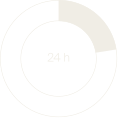
5,4 h
On average, people in this country spend [number] per day without any social interaction.

Facts & Statistics

One in three people in Switzerland feels lonely. More than 20 percent of the population regularly feel lonely. On average, people in Switzerland spend 5.4 hours per day without interpersonal interaction.

Types of Loneliness & Those Affected

Loneliness has many forms. Social loneliness involves a lack of the feeling of belonging to a community. Emotional loneliness occurs when people miss a close, trusting relationship. This is why people can feel lonely even when surrounded by others.

Young adults, single parents and widowed people are particularly affected, not just older people, as is often assumed. Loneliness is therefore not a marginal phenomenon, but a societal challenge.
Young
adults
Single
parents
Widowed
people

Recognising Loneliness & Tips for Providing Support

Loneliness is not always recognisable from the outside. Some people withdraw, while others increasingly seek contact. Especially after significant life changes, it is worth being attentive and asking questions sensitively. Often, all it takes is small gestures, genuine interest and a listening ear.
1

Be attentive

Pay attention to changes in behaviour or mood. Is someone becoming increasingly withdrawn, frequently cancelling plans or saying that no one has time anymore? These can be signs of loneliness. Gently start a conversation and ask how the person is doing. The key is to show interest without assuming how they feel.
2

Listen

People who feel lonely do not always talk openly about it. It is often difficult to express their own feelings. So take the time to listen attentively and ask questions. Avoid well-intentioned advice such as “You just need to get out and meet more people”. Loneliness cannot be overcome at the push of a button. Sometimes, simply being taken seriously can help.
3

Offer Contact

A personal message, a short phone call or an invitation for coffee can make a big difference. It is important to show interest regularly and not limit contact to special occasions. Even if someone declines an invitation, it is worth keeping in touch. This shows them: I am thinking of you and enjoy spending time with you.
4

Do Something Together

Ask about interests, hobbies or activities that the person used to enjoy. Perhaps there is a suitable club, a meeting place in the neighbourhood or an event nearby. Suggest trying something together and offer to accompany the person. Meeting new people sometimes takes courage. A familiar face can make the first step easier.
5

Stay patient

People who suffer from loneliness over a prolonged period sometimes withdraw even further for fear of rejection. That is why it is important not to take rejections personally and not to put pressure on the other person. Remain open-minded, show genuine interest and respect the other person’s boundaries. Trust often only develops over time. If loneliness continues to be a burden over a prolonged period, seeking professional support may also be advisable.

Tips developed with the support of the seisma association This guide is based on the brochure «Loneliness Has Many Faces» and has been supplemented with insights from an interview with Prof. Dr. Tobias Krieger from the University of Bern.

Donate now to combat loneliness

University of Bern

Understanding Loneliness

In Conversation with
Prof. Dr. Tobias Krieger
Psychologist, psychotherapist and researcher into loneliness at the University of Bern

Im Gespräch mit Prof. Dr. Tobias Krieger

Why do we sometimes feel lonely even when we are surrounded by people? How can we recognise loneliness, and how can we support those affected?

Prof. Dr. Tobias Krieger is a psychologist, psychotherapist and loneliness researcher at the University of Bern. In the interview, he explains how loneliness develops, how it affects us and why even small gestures can make a difference.
Read the interview  ↓
‘You could think of it as a sort of social thirst.’
Prof. Dr Tobias Krieger on loneliness

The interview

8 questions for Prof. Dr Tobias Krieger, University of Bern
01

What exactly is loneliness? Why can we be alone without feeling lonely, and be surrounded by people yet still feel lonely?

Loneliness is, first and foremost, a completely normal human feeling. It can be thought of as a kind of social thirst. Just as thirst signals that our body needs fluids, loneliness shows us that our need for closeness and connection is not being sufficiently met.

What matters is not how many people we have around us, but how we experience our relationships. Loneliness arises when our social relationships do not correspond to what we want and need, and we find this distressing. We distinguish between social and emotional loneliness: In the case of social loneliness, for example, we lack the feeling of being part of a community. In the case of emotional loneliness, we miss having a close, trusting relationship. This is why we can feel lonely even in a romantic relationship or surrounded by a large circle of friends if we feel that no one truly understands us. Conversely, we can spend a lot of time alone and be content with it. Being alone therefore describes an external situation, while loneliness describes our inner experience.

Feelings of loneliness are not inherently problematic. When temporary, they can make us aware that we are lacking closeness or connection and motivate us to maintain relationships or seek new contacts. It is important to recognise such feelings and take them seriously. However, if loneliness persists over a longer period, it can become increasingly distressing, intensify social withdrawal and increase the risk of mental and physical health problems.

02

Two people live under comparable circumstances and have a similar number of social contacts. Why does one person feel lonely while the other does not?    

People have different social needs. For some, a few close relationships are enough, while others want more interaction or a larger circle of friends. However, what we expect from relationships and how we experience them also matters. Two people may meet friends equally often. One person finds these encounters enriching, while the other feels that the conversations remain superficial or that no one is genuinely interested in them.

Previous experiences and our image of ourselves also play a role. Someone who has repeatedly experienced rejection may interpret an unanswered message as a sign of disinterest. Another person assumes that the sender is simply busy. Life circumstances also play a part, such as health problems, financial constraints or a lack of opportunities to meet other people.
 
Whether we feel lonely therefore depends not only on how many social contacts we have, but also on whether these meet our needs for closeness, security, connection and belonging.

03

Loneliness is often invisible. What changes in behaviour or statements might indicate that someone feels lonely?

There are no clear outward signs of loneliness. Changes in behaviour can become apparent, particularly when people have been suffering from loneliness for a prolonged period. Some withdraw increasingly, cancel plans more frequently or share less about themselves. Others seek company particularly often, get in touch noticeably frequently or prolong conversations and meetings. Loneliness can therefore manifest itself in very different ways. Statements such as “No one is interested in me anyway” or “I have no one I can talk to about this” can also be indications.

We should be particularly attentive during major life changes, for example after a separation, a death, a move or retirement. Such events can cause familiar relationships to break down or change.

However, it is important not to jump to conclusions. Someone who enjoys being alone or declines invitations does not necessarily feel lonely. Such behaviour can have many different reasons. The key is therefore to notice changes and ask questions with genuine interest rather than make assumptions.

04

Some people feel ashamed of their loneliness and do not talk about it. How and when should we bring up the subject? Is the direct question “Do you feel lonely?” even helpful?

The direct question is not necessarily wrong. If there is a good relationship of trust, it can even be helpful. What matters is how we ask and whether the other person feels safe enough to answer openly. Loneliness is still associated with shame. Many people see it as a personal failure. They may think: There must be something wrong with me, otherwise I would have more friends. A direct question can therefore also lead someone to deny their feelings.

It is often more helpful to start the conversation quite naturally, for example with “How have you actually been doing lately?” If the person's living situation has changed, “How have you been since you started living alone?” may also be appropriate. A question such as “Do you sometimes miss interacting with others?” also provides a way to approach the subject without using the word “loneliness”. Such questions give the other person space to decide for themselves how much they want to share. A quiet moment, preferably in private, can also be important.

What matters is less the exact wording and more an atmosphere in which someone can talk about a lack of closeness without feeling ashamed. It helps to listen rather than immediately offer solutions. Sharing our own experiences of loneliness can also be helpful. In this way, we show that loneliness is a human experience that many of us go through from time to time.

05

Do we need to talk about loneliness to do something about it? Or is it sometimes more helpful to simply take action, for example by inviting someone to dinner or for a walk?

Both can be helpful. It is often the small gestures that make a difference: an invitation for a walk, having a coffee together or a short message that conveys: “I'm thinking of you.” There is no need to explicitly address loneliness to do this.

As already mentioned, however, it is not just about how often we spend time with other people. What matters is whether we feel seen and that we belong during these encounters. Particularly in cases of prolonged loneliness, additional social contacts are therefore not always enough. It is important to approach the other person with genuine interest and as an equal. No one wants to be invited just out of pity. Ideally, we should not give the impression that we feel obliged to do something good for someone, but rather show that we enjoy spending time with that person.

An invitation can be a first step. If trust and a personal connection develop over time, it can have an even greater impact.

06

Some people long for closeness but at the same time withdraw or decline invitations. What are the psychological reasons behind this? And how can we deal with it without creating pressure?

This may be a form of internal self-protection, particularly in people who have been feeling lonely for a long time. On the one hand, they long for closeness and belonging, but on the other, they want to avoid being rejected or hurt again. As already mentioned, previous experiences can influence how we perceive social situations. Someone who has repeatedly experienced rejection may pay particular attention to signs of rejection. An unanswered message is then interpreted as rejection, or an invitation is perceived as an act of pity. Previous experiences can also contribute to us developing a more negative image of ourselves or other people. We may be more likely to distrust others or believe that we are a burden to them.

This can create a vicious circle: Out of fear of being hurt again, those affected withdraw, which in turn deprives them of positive experiences with other people. What is originally intended to protect them from disappointment can therefore intensify their loneliness.

However, not every declined invitation is driven by such fear. Sometimes people simply lack the energy, financial means or physical health needed to take part in shared activities. A lack of opportunities to meet others can also make it more difficult to build and maintain social relationships.

For those around them, this primarily means remaining patient and not taking declined invitations personally. For example, one could say: “It's a shame you can't make it today. I'd be happy if you could join us another time.” It is important to show interest without creating pressure and to respect the other person's boundaries. Some people need time and repeated positive experiences before they can trust others again. An outstretched hand should be an offer, not an obligation.

07

What should we avoid when interacting with people who feel lonely? Which well-intentioned reactions or behaviours can even be counterproductive?    

Above all, we should avoid downplaying loneliness or placing the responsibility solely on the person affected. Statements such as “You just need to get out and meet more people”, “Why don't you find a hobby?” or “But you have so many friends” are usually well-intentioned. However, they can give the impression that the person is to blame for their situation or simply needs to make more effort. It is more helpful to first take what someone is experiencing seriously, for example by saying, “That sounds distressing. Would you like to tell me how you feel about it?”

Even well-intentioned pressure can be counterproductive. Someone who feels lonely does not necessarily need someone to organise as many activities as possible. It is often more important that someone shows consistent interest, keeps invitations open and accepts a refusal. Particularly in cases of prolonged loneliness, it sometimes takes patience for trust to develop again.

If someone has been suffering from loneliness for a long time and finds it difficult to change their situation, professional support may also be helpful. We can gently encourage this step, but we cannot force it.

08

 If you could give the Swiss population just one recommendation: What should each and every one of us do to counteract loneliness in our own surroundings?

My most important recommendation: Be consciously aware of the people around you and keep reaching out – even if your hand is not taken the first time.

Loneliness is part of human life. It is important that we recognise and take such feelings seriously, both in ourselves and in others. Temporary loneliness can make us aware that we are lacking closeness or connection and motivate us to maintain our relationships. However, if loneliness persists for a longer period, it can become increasingly difficult for those affected to change their situation. This makes it all the more important that we remain attentive, show interest and repeatedly offer to stay in touch without creating pressure. A short phone call, a personal message or an invitation for a walk can already make a big difference. What matters is treating others as equals. We all want not only to belong, but also to be important to others.

At the same time, we must not leave the responsibility solely to individuals. Loneliness is also a societal challenge. Neighbourhoods, associations and municipalities can promote opportunities for social interaction and participation. Policymakers also have a role to play in creating conditions that facilitate social relationships, for example through easily accessible meeting places and low-threshold services.

Loneliness is not a personal failure. It can affect anyone. And we can all contribute to helping people feel less lonely.

His most important recommendation

Be mindful of the people around you and keep reaching out to them – even if they don’t take your hand the first time.

Loneliness is not a personal failure. It can affect anyone. And we can all play our part in helping people feel less lonely.

Interview: Prof. Dr Tobias Krieger, federally recognised psychotherapist, Institute of Psychology, University of Bern.

Studienteil-nehmende gesucht

Für die RECONNECTED-Studie der Universität Bern sucht das Forschungsteam um Prof. Tobias Krieger Personen ab 55 Jahren, die sich häufig einsam fühlen. Die Studie untersucht, ob und wie eine Smartphone-App das psychische Wohlbefinden fördern kann. Mit Ihrer Teilnahme unterstützen Sie die Forschung zu Einsamkeit und psychischem Wohlbefinden.